



Potassium Channel
KcsA
Potassium channels are the most widely distributed type of ion channel and are found in virtually all living organisms. They form potassium-selective pores that span cell membranes. Potassium channels are found in most cell types and control a wide variety of cell functions. Potassium channels function to conduct potassium ions down their electrochemical gradient, doing so both rapidly and selectively. Biologically, these channels act to set or reset the resting potential in many cells. In excitable cells, such asneurons, the delayed counterflow of potassium ions shapes the action potential. By contributing to the regulation of the action potential duration in cardiac muscle, malfunction of potassium channels may cause life-threatening arrhythmias. Potassium channels may also be involved in maintaining vascular tone.
All Product Categories
-
Potassium Channel Inhibitors
(683)
View all products
-
Potassium Channel Agonists
(31)
View all products
-
Potassium Channel Antagonists
(39)
View all products
-
Potassium Channel Activators
(240)
View all products
-
Potassium Channel Modulators
(44)
View all products
-
Potassium Channel Chemical
(1)
View all products
-
Potassium Channel Controls
(11)
View all products
-
Potassium Channel Related Products (1142)
Related Products (1142)

-
Antibodies (6)
-
Related Compound Screening Libraries (1)
-
Tegoprazan
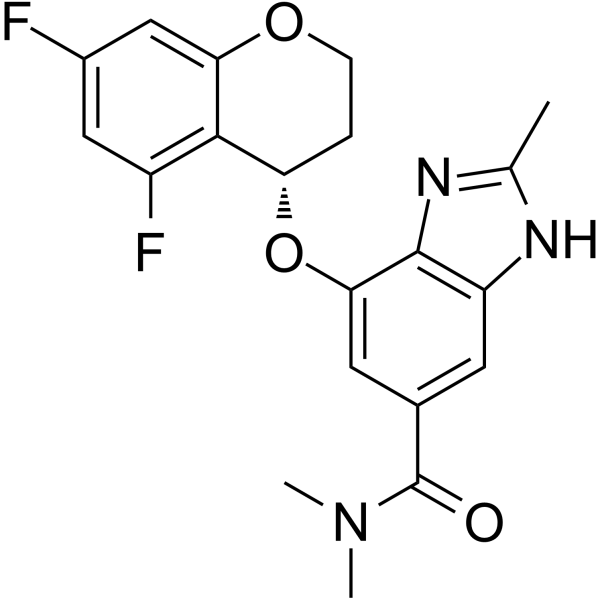 0 ImagesSynonyms: CJ-12420; RQ-00000004Tegoprazan (CJ-12420), a potassium-competitive acid blocker, is a reversible, orally active and highly selective inhibitor of gastric H+/K+-ATPase. Tegoprazan inhibits gastric acid secretion and motility against porcine, canine and human H+/K+-ATPase with IC50 values ranging from 0.29-0.52 μM in vitro. Tegoprazan significantly improves colitis and enhances the intestinal epithelial barrier function in mice. Tegoprazan is promising for research of Inflammatory bowel, gastric acid-related, motilityimpaired diseases.
-
Oxypeucedanin
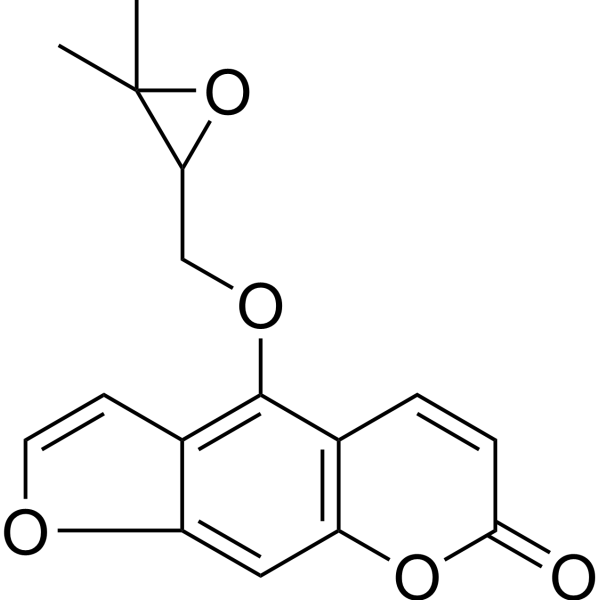 0 ImagesOxypeucedanin is a furanocoumarin derivative found in Angelica dahurica. Oxypeucedanin is an orally active PI3K/AKT/NF-κB, MAPK, and ROS inhibitor. Oxypeucedanin induces cell cycle arrest and apoptosis. Oxypeucedanin inhibits hKv1.5 channel currents (IC50: 76 nM). Oxypeucedanin exhibits anticancer, anti-inflammatory, antioxidant and antiarrhythmic activities.
-
Oxybutynin chloride
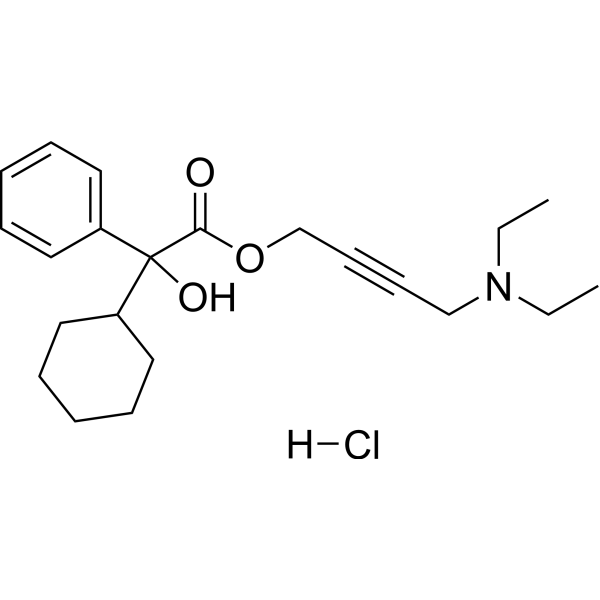 0 ImagesOxybutynin chloride is an oral active and competitive mAChR antagonist with Kis of 14.3 and 5.55 nM for specific [3H]NMS binding in the mouse bladder and cerebral cortex, respectively. Oxybutynin chloride inhibits vascular Kv channels in a manner independent of anticholinergic effect, with an IC50 value of 11.51 μM. Oxybutynin chloride reduces muscle spasm in the bladder and urinary tract, can be used in study of overactive bladder syndrome (OAB). Oxybutynin (chloride) is a click chemistry reagent, it contains an Alkyne group and can undergo copper-catalyzed azide-alkyne cycloaddition (CuAAc) with molecules containing Azide groups.
-
Ifenprodil
 0 ImagesSynonyms: NP-120; RC-61-91Ifenprodil (NP-120), a cerebral vasodilator, is a noncompetitive NMDA receptor antagonist. Ifenprodil exerts high affinity at NR1A/NR2B receptors (IC50=0.34 μM) over 400-fold than at NR1A/NR2A receptors (IC50=146 μM). Ifenprodil is an α1 adrenergic receptor antagonist. Ifenprodil inhibits GIRK (Kir3), reduces inward currents through the basal GIRK activity. Ifenprodil has reliable inhibitory effects against A/H1N1 strains (EC50 of 6.6 µM). Ifenprodil has neuroprotective, anticonvulsant and antinociceptive effects. Ifenprodil can be used for the study of cerebrovascular diseases and peripheral arterial obliterative disease.
-
Mosapride
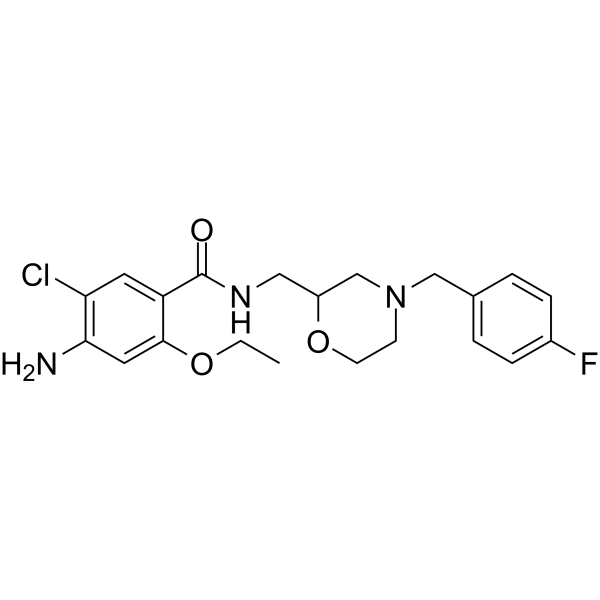 0 ImagesSynonyms: TAK-370; AS-4370Mosapride is an orally active gastroenterokinetic compound. Mosapride is a 5HT4 agonist. Mosapride is a CYP inducer. Mosapride has a concentration-dependent inhibitory effect on Kv4.3, and its IC50 value is 15.2 μM. Mosapride can be used in the study of gastrointestinal diseases.
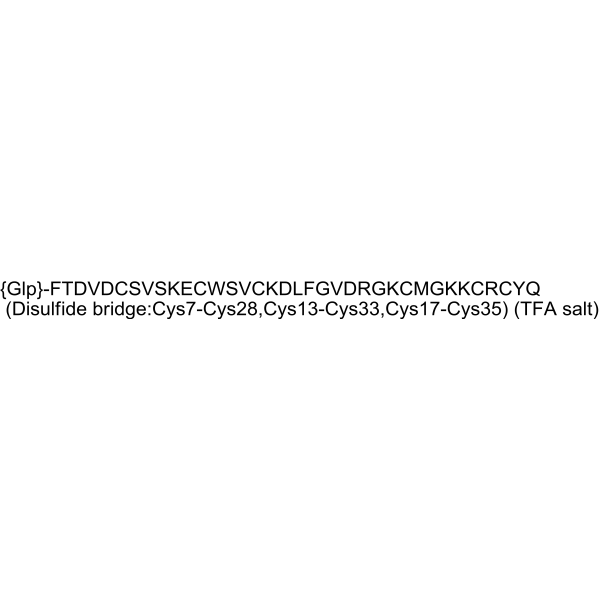
-
Oxybutynin
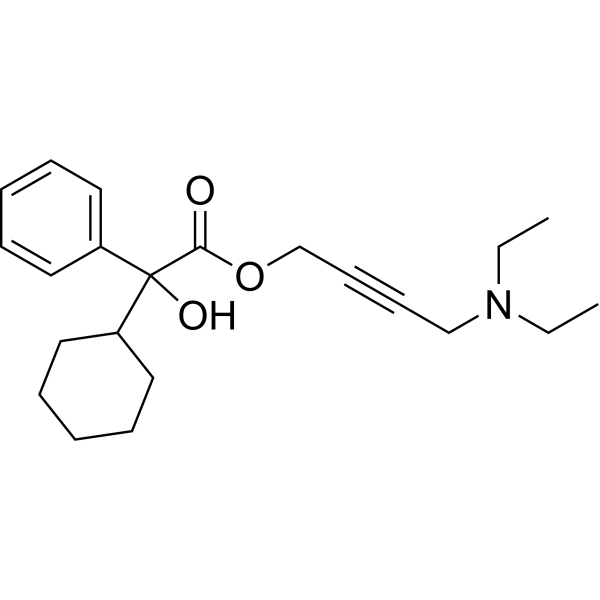 0 ImagesOxybutynin is an anticholinergic agent, which inhibits vascular Kv channels in a concentration-dependent manner, with an IC50 of 11.51 μM. Oxybutynin is a click chemistry reagent, it contains an Alkyne group and can undergo copper-catalyzed azide-alkyne cycloaddition (CuAAc) with molecules containing Azide groups.
-
4-Hydroxytolbutamide
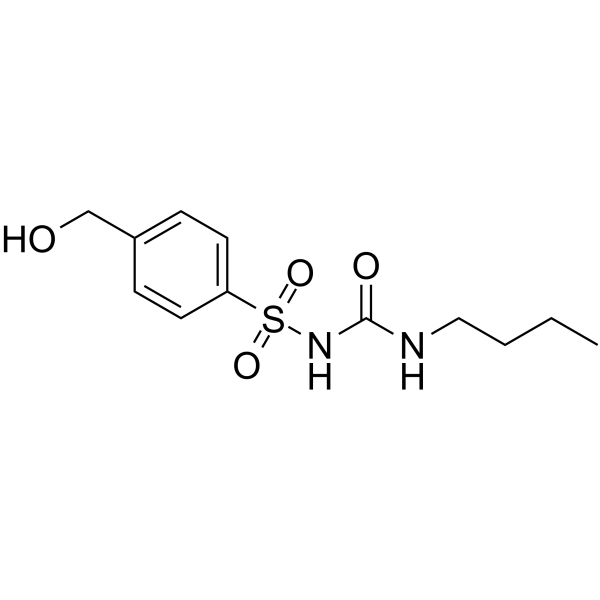 0 Images4-Hydroxytolbutamide (Hydroxytolbutamide) is a metabolite of Tolbutamide. 4-Hydroxytolbutamide is metabolized by CYP2C8 and CYP2C9. Tolbutamide is a first generation potassium channel blocker and a sulfonylurea oral antidiabetic.
-
Halofantrine hydrochloride
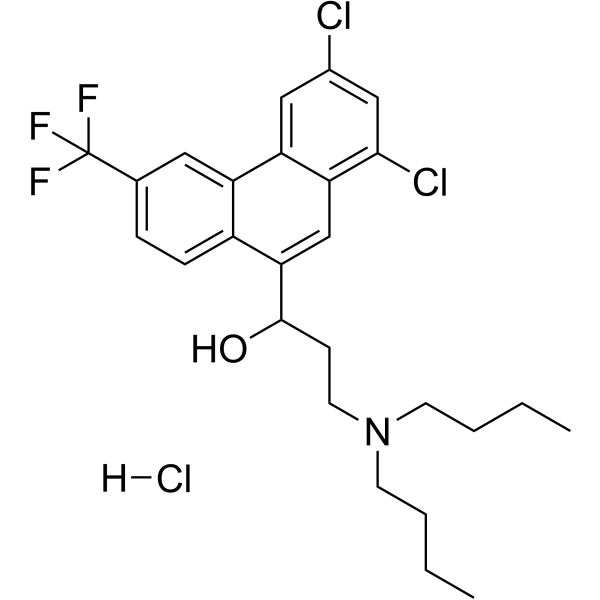 0 ImagesSynonyms: SKF-102886; WR-171669 hydrochlorideHalofantrine hydrochloride (SKF-102886 hydrochloride; WR-171669 hydrochloride) is a blocker that delays the delayed rectifier potassium current by inhibiting human ERG channels, and it is a potent antimalarial agent with oral activity. Halofantrine hydrochloride inhibits the Cap1-dependent oxidative stress response of Candida albicans, suppresses ROS responses, and enhances the antifungal (Fungal) activity of oxidative damage agents. Halofantrine hydrochloride exhibits antifungal activity in the Galleria mellonella model, and shows antimalarial activity against Plasmodium strains both in vitro and in animal models. Halofantrine hydrochloride can be used in studies related to invasive candidiasis, falciparum malaria, and vivax malaria.
-
Carbamazepine (Standard)
 0 ImagesSynonyms: CBZ (Standard); NSC 169864 (Standard)Carbamazepine (Standard) is the analytical standard of Carbamazepine. This product is intended for research and analytical applications. Carbamazepine is an orally active pressure-sensitive sodium ion channel blocker with an IC50 of 131 μM. Carbamazepine blocks voltage gated Na+, Ca2+, and K+ channels, and is also a HDAC inhibitor (IC50: 2 μM). Carbamazepine is an anticonvulsant and can be used for research of epilepsy and neuropathic pain.
-
Domiphen bromide
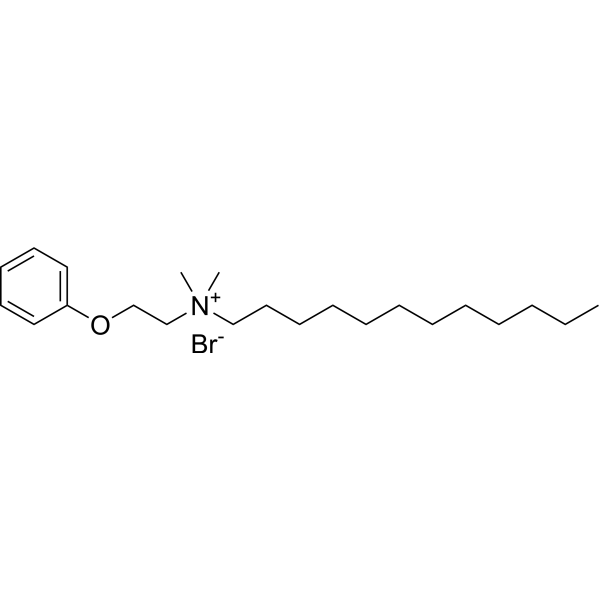 0 ImagesDomiphen bromide is a cationic active quaternary ammonium salt and also an inhibitor of HERG channels (IC50: 9 nM), aminopeptidase-like enzymes, Escherichia coli alkaline phosphatase, and α-chymotrypsin. Domiphen bromide has multiple activities such as antibacterial, antimalarial, and disinfectant properties, and it is also a synergist of Colistin (HY-113678). Domiphen bromide can be used as a chemical preservative and a cationic surfactant, and it can also be used in the research of bacterial infectious diseases such as pharyngitis, thrush, and oral ulcers.
-
Doxapram
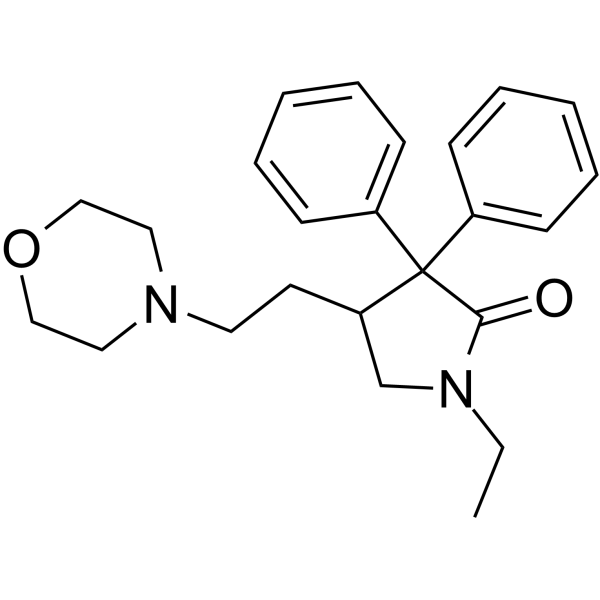 0 ImagesDoxapram is a respiratory stimulant. Doxapram increases breathing rate and depth by acting on the brain's respiratory centers and peripheral chemoreceptors. Doxapram inhibits TASK-1, TASK-3, TASK-1/TASK-3 heterodimeric channel function with EC50s of 410 nM, 37 μM, 9 μM, respectively. Doxapram inhibits the Ca²⁺-activated potassium current (IC50 ≈ 13 μM) and Ca²⁺-independent potassium current (IC50 ≈ 20 μM) in type I cells of the carotid body. Doxapram significantly prolongs the effective refractory period of the atrium and has an anti-arrhythmic effect. Doxapram can be used for the study of respiratory depression such as post-anesthesia respiratory depression, chronic obstructive pulmonary disease and apnea of prematurity.
-
Mosapride citrate dihydrate
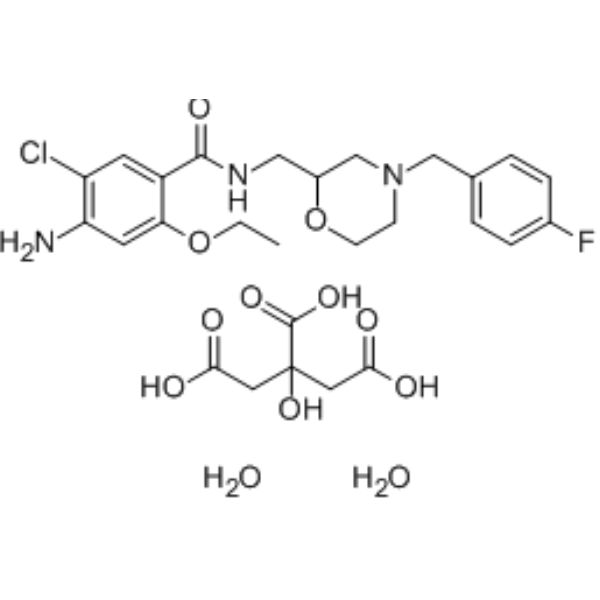 0 ImagesSynonyms: TAK-370 citrate dihydrate; AS-4370 citrate dihydrateMosapride (TAK-370) citrate dehydrate is a gastroprokinetic agent with 5-hydroxytryptamine4 receptor agonist activity and has been widely used in the research of a variety of gastrointestinal disorders. Mosapride citrate dihydrate potently inhibits Kv4.3 in a concentration-dependent manner with IC50 values of 15.2 μM. Mosapride citrate dihydrateselectively stimulates upper GI motility in vivo.
-
Clofilium tosylate
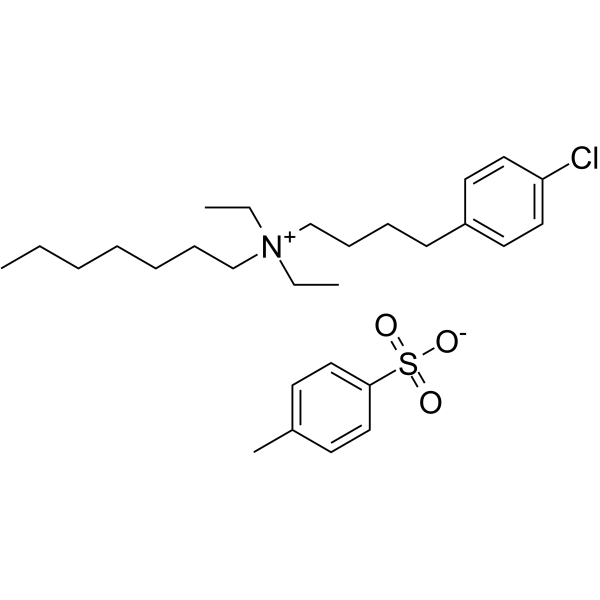 0 ImagesClofilium tosylate, a potassium channel blocker, induces apoptosis of human promyelocytic leukemia (HL-60) cells via Bcl-2-insensitive activation of caspase-3. Antiarrhythmic agent.
-
3,6-Diaminoacridine hemisulfate
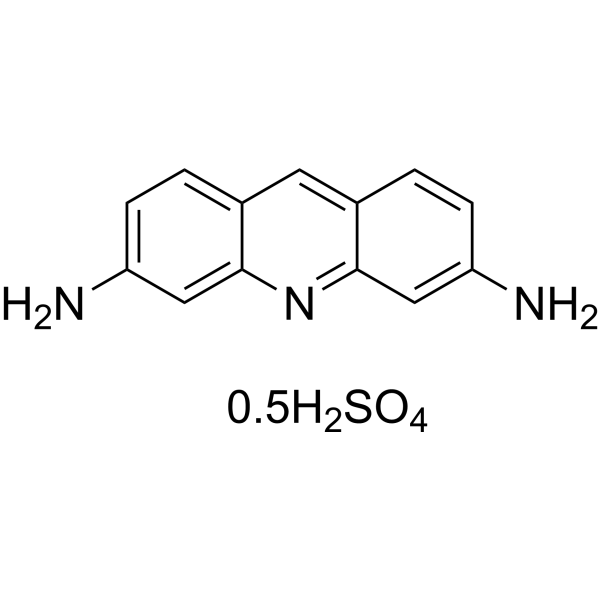 0 Images3,6-Diaminoacridine hemisulfate is a multifunctional acridine compound. 3,6-Diaminoacridine hemisulfate is an acridine dye and also a DNA inserter. 3,6-Diaminoacridine hemisulfate is a potent broad-spectrum antibacterial agent. Its mechanism is to insert into bacterial DNA, interfering with replication and transcription, leading to bacterial lysis. 3,6-Diaminoacridine hemisulfate is a Kir3.2 potassium channel blocker and can be used to study the neurological phenotype of Down syndrome. 3,6-Diaminoacridine hemisulfate can penetrate the stratum corneum of the skin and accumulate in the cell nucleus. Long-term exposure may induce skin cancer or other malignant tumors.
-
Annonacin
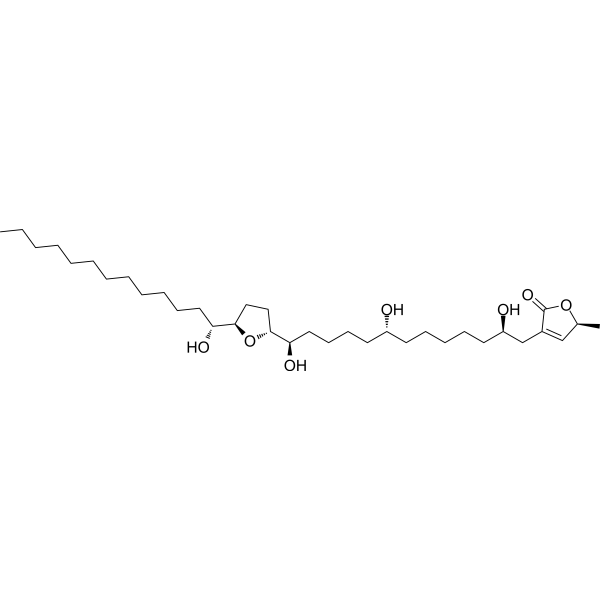 0 ImagesAnnonacin is an acetylgenin that is toxic by inhibiting the pathway of the mitochondrial complex. Annonacin increases tau phosphorylation in R406W+/+ mice. Annonacin acts as an inhibitor of the sodium/potassium and sarcoplasmic reticulum (SERCA) ATPase pumps. Annonacin has significant killing effect on ovarian cancer cell, cervical cancer cell, breast cancer cell, bladder cancer cell and skin cancer cell. Annonacin induces apoptosis through Bax and Caspase-3-related pathways.
-
DPO-1
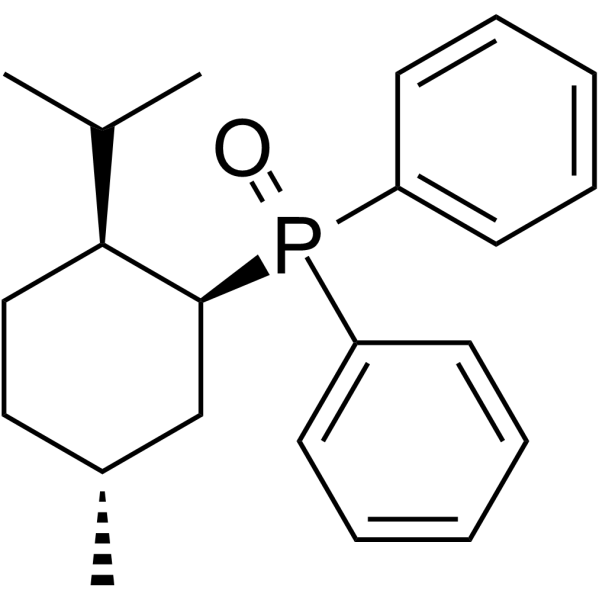 0 ImagesDPO-1 is a potent Kv1.5 and Kv1.3 (EC50 = 3.1 μM) channels inhibitor with potential immunomodulatory and anti-inflammatory effects. DPO-1 reduces Kv1.3 current density, blunts Ca2+ influx in Ca2+-depleted Jurkat cells, and inhibits IL-2 secretion in activated Jurkat cells. DPO-1 inhibits Uric acid sodium (HY-B2130A) (MSU)-induced NLRP3 inflammasome activation by blocking Kv1.5-mediated K+ efflux. DPO-1 can be used for the study of immunologic disorders and atrial fibrillation.
-
Flonicamid
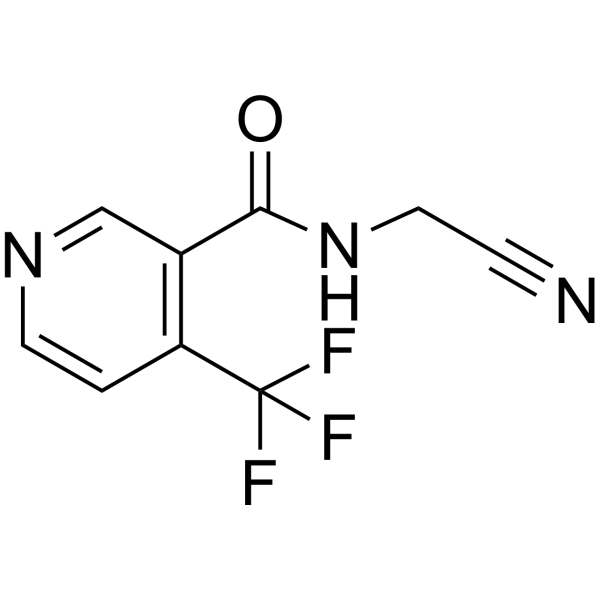 0 ImagesSynonyms: IKI220Flonicamid (IKI220) is an antifeedant Insecticide active against Hemiptera, Thysanoptera, and piercing-sucking pests including aphids of all species, developmental stages and morphs. Flonicamid inhibits the inward rectifier potassium channel NlKir1, blocking stylet penetration, salivation, sap feeding, honeydew secretion, and fluid secretion by isolated Malpighian tubules. Flonicamid reduces renal excretory function in female Culex pipiens pallens. Flonicamid rapidly disrupts insect feeding behavior without neurotoxic poisoning symptoms, induces irreversible starvation, and increases the mortality of nymph progeny of adult aphids exposed to this agent.
-
Eleclazine hydrochloride
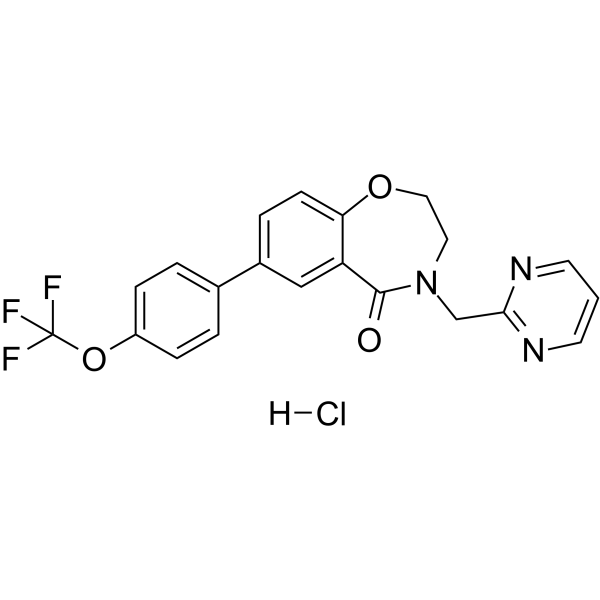 0 ImagesSynonyms: GS 6615 hydrochlorideEleclazine (GS 6615) hydrochloride is a selective cardiac late sodium current inhibitor and a weak inhibitor of potassium current with IC50 value of <1 μM and approximately 14.2 μM, respectively. Eleclazine hydrochloride shows concurrent protection against autonomically induced atrial premature beats, repolarization alternans and heterogeneity, and atrial fibrillation in porcine model. Eleclazine hydrochloride can be used to research cardiac arrhythmias.




